


Categories
- Blog (3,295)
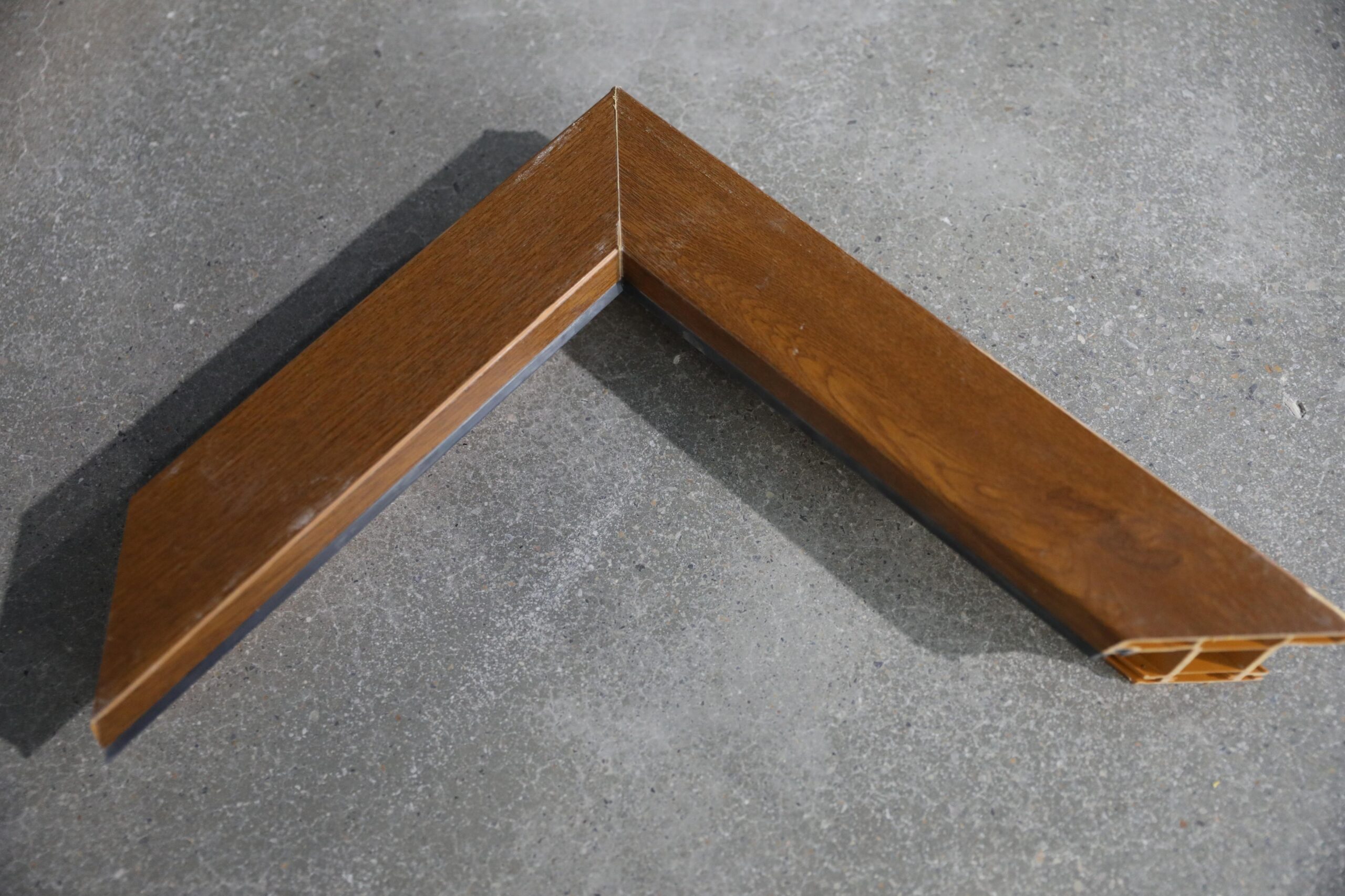
uPVC (unplasticized polyvinyl chloride) is a very tough material that is widely used in the construction industry worldwide. In recent years, the use of uPVC has grown significantly and it is now one of the most widely used materials.
More and more people are looking for energy-efficient and viable alternatives to wood, and uPVC is an ideal choice. uPVC door and window frames are available in a variety of colors, including black, white and wood grain profiles. The color can be changed according to personal preference.
Long-lasting and durable
uPVC is naturally resistant to moisture, mold, mildew and atmospheric pollution. It will not peel, rot, rust, blister, and is resistant to salt corrosion. This makes uPVC doors and windows more durable than wooden doors and windows, which require regular maintenance. Unplasticized polyvinyl chloride material is the most durable material. Overall, new technology uPVC windows are expected to have a lifespan of 30-40 years, while the lifespan of wood is almost half of that, rarely exceeding 15-20 years.
Low maintenance
Another very attractive feature of uPVC profiles is the low maintenance cost. A simple rinse with soapy water will keep uPVC frames looking new for years. uPVC does not need to be painted, repainted or sanded. In fact, this tough material can be wiped to remove the most stubborn marks, as uPVC doors and windows are not easily damaged. On the other hand, wooden doors and windows are vulnerable to termites and pests, so they need to be replaced and painted regularly.
Security
Due to its tough nature, uPVC is very reliable in terms of security. Its frames are made very stable, making it difficult to damage or destroy. uPVC is considered almost completely burglar-proof due to its high strength. Doors and windows made of inferior wood are brittle and will eventually peel over time and easily become damaged.
Thermal/Acoustic Insulation
Thermal insulation is another advantage of uPVC material over wood. uPVC is a very efficient thermal insulation material that provides the best energy saving, thermal insulation and sound insulation performance. It is the best alternative to wood and its good sound insulation and thermal insulation properties make it popular.
Environmental Protection
uPVC is an environmentally friendly material that consumes fewer resources than wood. The service life of uPVC is 40-80 years. It can be reprocessed into commercial fittings, pipes, roadside signs, floor tiles and other uses. Wood cannot be recycled and poses a threat to our environment as it needs to be cut down every time it is used.
This shows that UPVC profiles are a good choice

 Benefits of UPVC Tilt and Turn Windows
 What’s Aluminum Clad UPVC Window?
 Are Your UPVC Windows&Doors Profiles Strong?
 How to tell if windows need replacing
 Decoding Extrusion: A Deep Dive into uPVC Profile Manufacturing