


Categories
- Blog (288)
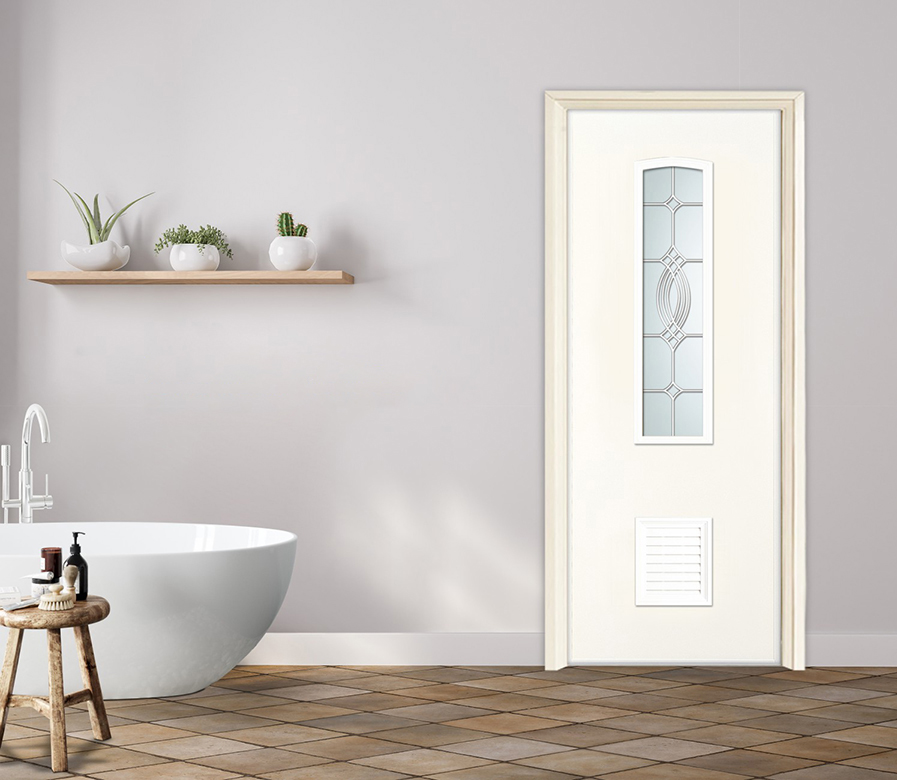
PVC and uPVC doors have become increasingly popular in recent years. The fundamental difference between PVC and uPVC doors is that uPVC doors do not contain plasticizers. Known for their durability and superior appearance, uPVC doors are an excellent choice for residential entrances and interior doors. Although PVC doors were introduced relatively recently, this upgraded version has had a profound impact on the construction industry.
Let’s understand the differences between PVC and uPVC doors and choose the best door for your home.
While uPVC manufacturing process enhances the resistance to UV rays, PVC doors are known to degrade when exposed to harsh sunlight for extended periods. This is where uPVC doors have an edge over PVC doors. The doors made of uPVC material don’t fade, discolour or become brittle and are sunlight friendly.
While both PVC doors and uPVC doors are made of a light-weight material, uPVC doors are better in terms of strength, owing to their inbuilt multi-point locking system.
uPVC doors are more durable and better equipped for withstanding all weather conditions and seasons.
PVC doors are not compatible to install new hardware like locks or handles. Since they are made of brittle vinyl, the doors can crack easily. uPVC doors are designed to not face a similar issue.
uPVC doors are more safe and secure than PVC doors. It is because uPVC doors have a galvanized steel core which coupled with durable locking system makes the doors highly secure.
uPVC doors last for about 30 years and have a slightly longer lifespan than PVC doors. The longevity of uPVC doors also makes them a one-time investment solution.
