


Categorías
- Blog (288)
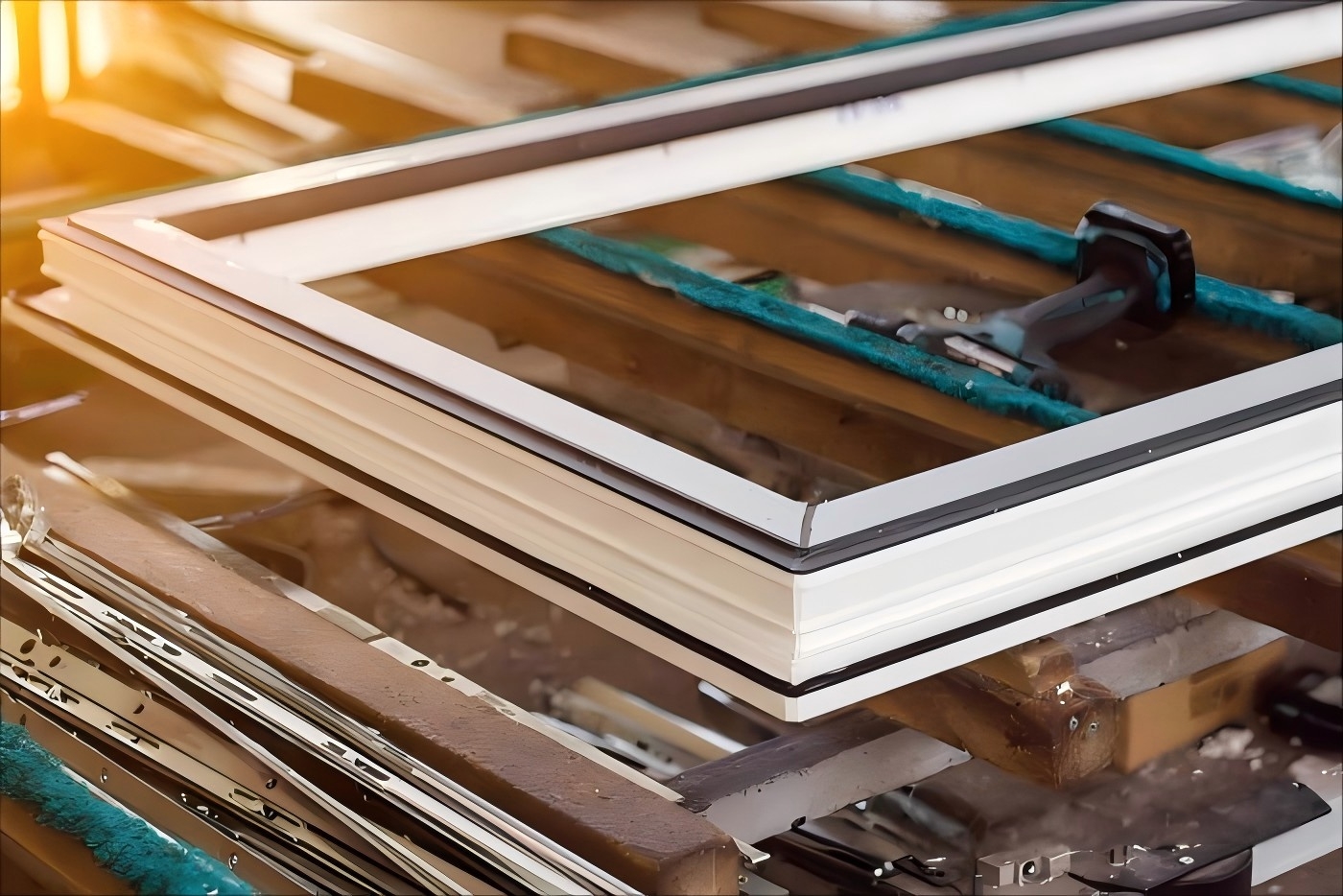
uPVC Profile Manufacturing
Raw Material Preparation
uPVC profiles are a composite of polyester chloride resin with additives, dióxido de titanio, y estabilizadores. The profiles incorporate high-quality ingredients such as calcium carbonate, resulting in a longer shelf life, increased durability, and UV resistance.
uPVC Extrusion Profiles
Without these conditions, the resin mixture cannot be extruded into a mold and formed into blocks at temperatures between 200 y 275 degrees Celsius. The uPVC profile manufacturing process begins with melting the raw materials, followed by contouring and cooling the profiles in a water tank.
Cooling, Cutting, Packaging, and Distribution
uPVC profiles are formed, cooled, and cut to standardized shapes, with protective film applied and labels applied. After extrusion, the profiles are rapidly solidified and cooled in chilled water tanks. Size and specifications determine the degree of personalization before cutting and packaging. Packaging is fundamentally focused on product differentiation and logistical management.
Reinforced Profiles
UPVC profiles reinforced with galvanized steel offer numerous advantages, including enhanced safety, fire and electrical protection, noise reduction, waterproofing, and quality assurance. These high-quality uPVC products offer over 30 years of exceptional durability, UV resistance, and tensile strength, making them ideal for use in climates ranging from -50°C to 70°C.
What is the extrusion process for uPVC profiles?
Extruded profiles are formed by stretching a precisely blended mixture using automated mixing equipment.
How are uPVC profiles manufactured?
The manufacturing process for uPVC profiles involves carefully mixing the raw materials, extruding them into a mold, casting them into the mold, cooling them, testing them, packaging them, and distributing them.
